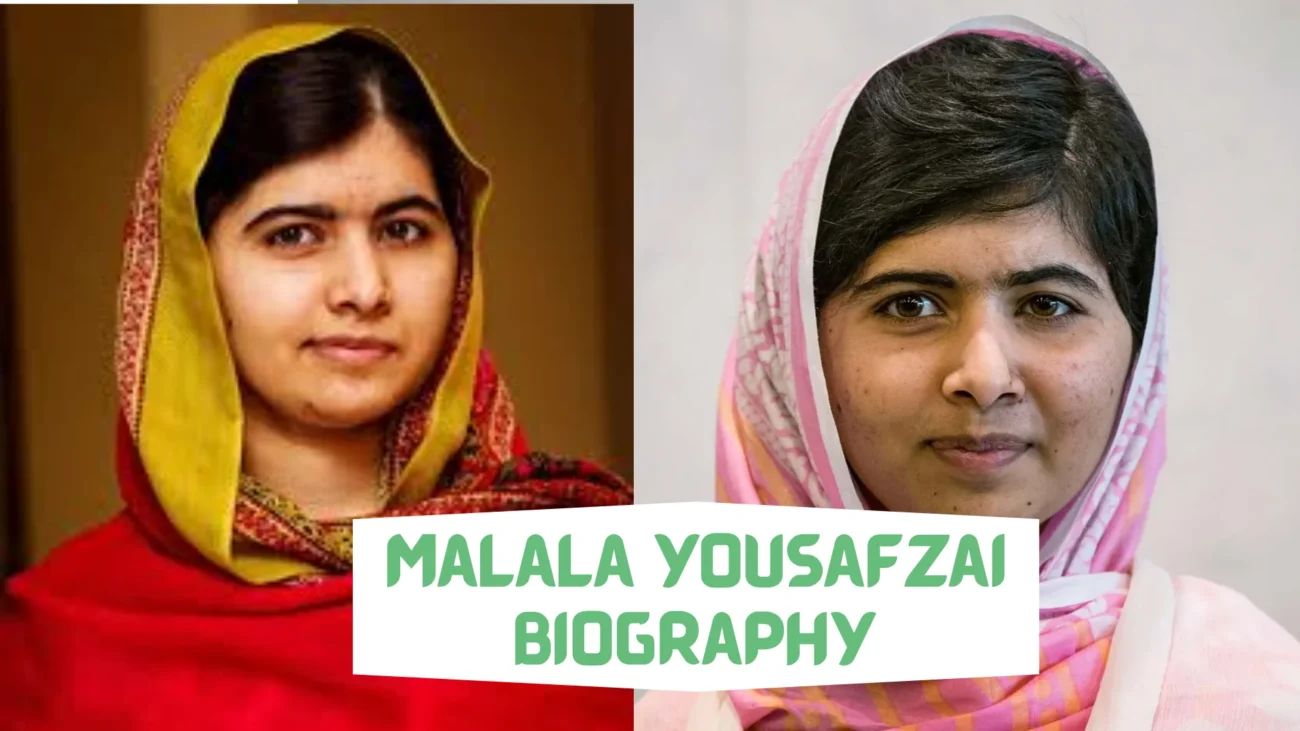
The story of Malala Yousafzai is one of courage, resilience, and unwavering determination. Known globally as a champion for girls’ education, Malala has become a symbol of peaceful resistance and youth activism.
From surviving a life-threatening attack to becoming the youngest Nobel Prize laureate, her journey continues to inspire millions worldwide.
Quick Facts
| Full Name | Malala Yousafzai |
| Born | July 12, 1997 |
| Age | 28 (as of 2025) |
| Birthplace | Mingora, Swat Valley, Pakistan |
| Nationality | Pakistani |
| Occupation | Education Activist, Author |
| Religion | Islam |
| Parents | Ziauddin Yousafzai (Father), Toor Pekai Yousafzai (Mother) |
| Siblings | 2 brothers |
| Spouse | Asser Malik |
| Net Worth | Estimated $2 million |
Early Life
Malala Yousafzai was born on July 12, 1997, in Mingora, located in the scenic Swat Valley of Pakistan. She grew up in a family that valued education deeply. Her father, Ziauddin Yousafzai, was a teacher and education advocate who ran a school.
From an early age, Malala showed a keen interest in learning and speaking out. Influenced by her father’s activism, she developed a strong voice for education, especially for girls.
The Taliban Threat and Early Activism
In 2007, the Tehrik-i-Taliban Pakistan gained control over the Swat Valley. They imposed strict rules, including banning girls from attending school. This marked a turning point in Malala’s life.
At just 11 years old, Malala began writing an anonymous blog for BBC Urdu, documenting life under Taliban rule and advocating for girls’ education.
Her bravery quickly gained attention, and she began appearing in interviews and documentaries, openly criticizing the Taliban’s restrictions.
The Assassination Attempt
On October 9, 2012, Malala’s life changed forever. While returning home from school, a Taliban gunman boarded her school bus and shot her in the head.
The attack shocked the world and sparked international outrage. Malala was flown to Birmingham, where she received life-saving treatment.
Her survival was nothing short of miraculous, and instead of silencing her, the attack strengthened her resolve.
Global Recognition and Advocacy
After recovering, Malala became an even more powerful voice for education rights. She co-founded the Malala Fund, which works to ensure every girl has access to 12 years of free, safe, and quality education.
In 2013, she addressed the United Nations on her 16th birthday, a day now known as “Malala Day.” Her speech emphasized the power of education and the importance of standing up against oppression.
Nobel Peace Prize Achievement
In 2014, Malala was awarded the Nobel Peace Prize, becoming the youngest recipient in history at age 17. She shared the award with Kailash Satyarthi.
This recognition cemented her status as a global icon for peace and education.
Education and Personal Life
Despite her global fame, Malala remained committed to her own education. She studied at the University of Oxford, where she earned a degree in Philosophy, Politics, and Economics.
Malala has continued to balance her personal life with activism, inspiring young people to pursue education while advocating for change.
Books and Media Presence
Malala is also a bestselling author. Her memoir, I Am Malala, provides a detailed account of her life, struggles, and mission.
She has been featured in numerous documentaries, interviews, and global forums, continuing to amplify her message.
Impact and Legacy
Malala’s impact extends far beyond speeches and awards. Through the Malala Fund, she has helped fund education projects in countries like Nigeria, Pakistan, and Afghanistan.
Her advocacy has influenced global policies and inspired movements for girls’ education worldwide.
Malala represents hope — proving that one voice can truly change the world.
FAQs
1. Who is Malala Yousafzai?
Malala Yousafzai is a Pakistani education activist and the youngest Nobel Peace Prize laureate.
2. Why is Malala famous?
She is known for advocating girls’ education and surviving a Taliban assassination attempt.
3. When did Malala win the Nobel Prize?
She won the Nobel Peace Prize in 2014 at age 17.
4. What is the Malala Fund?
It is a nonprofit organization working to ensure girls receive quality education worldwide.
5. What book did Malala write?
She wrote I Am Malala, her autobiography.
Conclusion
The biography of Malala Yousafzai is more than just a life story — it is a powerful testament to courage, resilience, and the fight for human rights. From a young girl in Pakistan to a global icon, Malala has shown that age is no barrier to making a difference.
Her journey reminds us that education is a fundamental right and that standing up for what is right can change the course of history.
