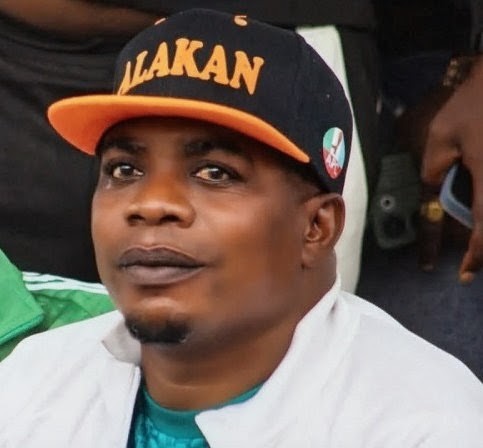
Toba Ajiboye, popularly known as “Ijaya,” was a Nigerian transport union leader who served as the Organising Secretary of the National Union of Road Transport Workers (NURTW), Lagos State Council.
He came into national focus in July 2026 after he was fatally shot by unidentified gunmen along the Ikorodu Road corridor in Lagos, an attack that triggered a major police investigation and widespread tributes from within the transport union.
Profile
| Full Name | Toba Ajiboye |
| Stage Name | Ijaya |
| Date of Death | July 13–14, 2026 (died from gunshot injuries sustained in an attack on Ikorodu Road, Lagos) |
| Birthplace | Lagos State, Nigeria (closely associated with the Fadeyi area) |
| Nationality | Nigerian |
| Occupation | Organising Secretary, NURTW Lagos State Council |
Early Life
Toba Ajiboye was born and raised in Lagos State, Nigeria, and spent much of his early life in the Fadeyi area of the city.
His exact date of birth has not been made public, and details about his parents, siblings and broader family background have not been publicly disclosed, as he generally kept his personal life out of the public eye.
His early exposure to Lagos’s busy commercial transport system, through his ties to the Fadeyi community, is widely cited as having shaped his later path into transport union work.
Career
Ajiboye built his career within the Nigerian transport sector through his long-standing involvement with the National Union of Road Transport Workers (NURTW).
Over the years he rose through the ranks of the organisation, eventually becoming Organising Secretary of the NURTW Lagos State Council.
In that role, he was responsible for coordinating union activities, supporting members, and helping implement decisions made by the union’s leadership across different parts of Lagos State.
He was closely associated with Lagos NURTW Chairman Alhaji Mustapha Adekunle, popularly known as “Sego,” and was widely described within the union as a trusted and dependable associate.
Death
On the night of Sunday, July 13, 2026 (with some reports citing the early hours of July 14), Ajiboye was reportedly returning home from his childhood community of Fadeyi when gunmen intercepted his vehicle along the Ikorodu Road corridor in Lagos and opened fire.
Images and videos circulated on social media afterward showed his vehicle riddled with bullet holes, including damage to the windscreen.
While early reports suggested he and other occupants of the vehicle had survived with gunshot injuries, later updates confirmed that Ajiboye died from his wounds. The Lagos State Police Command launched an investigation into the killing, which remains active, with detectives questioning suspects already in custody and pursuing further leads as of mid-to-late July 2026. As of this writing, no one has been publicly confirmed as convicted in connection with the attack.
Personal Life
Ajiboye kept much of his personal life out of the public eye. There is no publicly confirmed information regarding whether he was married, engaged, or had children, and the names of any spouse, partner, or family members have not been disclosed in reliable public sources. Separately, social media content referencing an “Alhaji Toba Ajiboye,” founder of a community social group called AWA N DUPE Club, has circulated online, including reference to a traditional wedding in Delta State; this has not been independently verified as pertaining to the same individual and is noted here for completeness only.
Net Worth
No verified net worth figure is currently available.
Legacy
Following his death, tributes poured in from NURTW officials, associates and supporters who remembered his years of service to the union. Lagos NURTW Chairman Alhaji Mustapha Adekunle described him as a trusted friend and a pillar of the union leadership network in Lagos.
His killing also renewed public discussion in Nigeria regarding the safety of transport union officials and security along major Lagos road corridors.
Conclusion
Toba Ajiboye’s years of service as Organising Secretary of the NURTW Lagos State Council established him as a recognised figure within Nigeria’s transport union structures.
His sudden and violent death in July 2026 drew national attention to his work and to broader concerns about the security of union officials in Lagos, with the police investigation into his killing continuing at the time of writing.
